The “Reading Nook” Trend: Designing Your New Home for Mental Wellness

Why you can trust Move.org
movers helped every month
20k
moving grants awarded
24
moving companies evaluated
156
years of expert experience
80+

For over 8 years, Move.org experts have examined pricing, credentials, and real customer reviews to give you (human) recommendations you can trust. See how we review.

Brittney Dulin-Rogers
Apr 15, 2026
Icon Time To Read4 min read
Icon CheckEdited ByRebecca Edwards

Brittney Dulin-Rogers is a Move.org writer covering moving and relocation, with a background in freight shipping and extensive firsthand experience with cross-country moves.

Moving is supposed to feel like a fresh start: new space, new energy, new routines.

But let’s be honest. It feels more like clutter in boxes, takeout dinners, and wondering where your phone charger disappeared to.

That’s exactly why more people are leaning into home design for mental wellness — not as a luxury, but as a survival strategy.

And one of the simplest ways to start?

A reading nook.

Not a full room. Not a renovation. Just one small, intentional corner that feels like yours.

A Chihuahua mix dog on a velveteen green chair in a reading nook.

Pets are drawn to the comfort of a cozy nook, just like us! Rocky likes to steal our managing editor's favorite spot when she's otherwise engaged. Image: Rebecca Edwards, Move.org

What is a reading nook?

At its core, a reading nook is just a designated space where you can sit, breathe, and unplug.

It doesn’t have to be elaborate. It doesn’t even have to involve books (although it helps). A cozy reading nook is really about creating a moment of pause inside your home.

Think:

  • A chair you actually want to sit in
  • Soft lighting that doesn’t feel harsh
  • A blanket within reach
  • A quiet corner that signals “you can relax now.”

That’s it.

Does home design affect mental health?

Short answer: yes, more than most people realize.

Your environment quietly shapes your mood throughout the day. Clutter raises stress levels. Harsh lighting can make you feel on edge. A lack of personal space can leave you mentally exhausted.

So, when you create even one intentional space, it gives your brain a sense of comfort and control, which matters a lot after the chaos of moving.

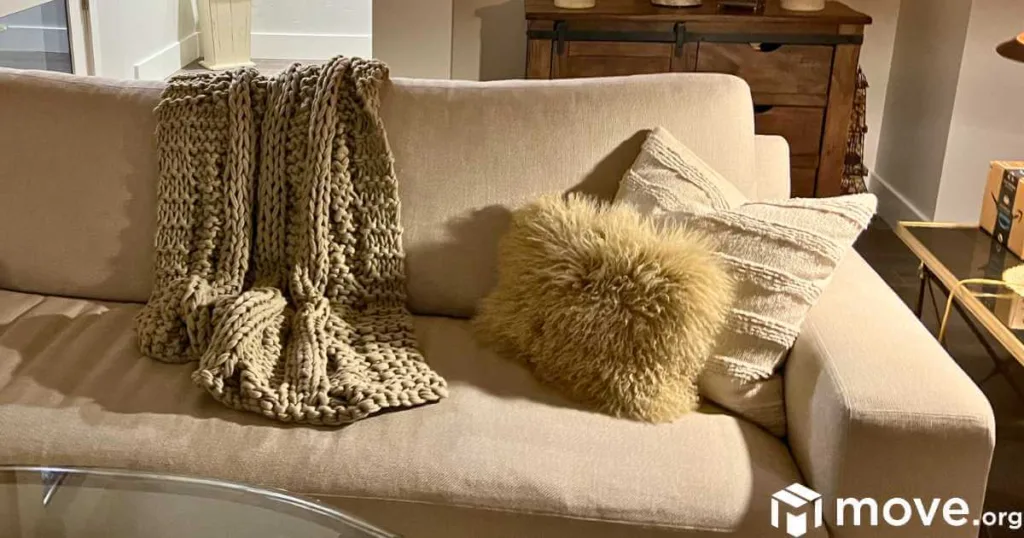
A cozy sofa with a fluffy throw and pillows, lighted softly for reading.

Cozy spaces can help us relax, escape from the worries of the day, and enjoy a good book. Image: Rebecca Edwards, Move.org

Why small spaces matter more than you think

There’s this idea that in order for your home to feel peaceful, it has to be big, beautifully decorated, and basically look like something straight off Pinterest. It doesn’t.

Cozy spaces at home usually work better because they feel manageable. You can control them, keep them comfortable, and maintain them without it turning into another overwhelming project on your list.

A reading nook works because it’s:

  • Low effort to create
  • Easy to keep tidy
  • Consistent, even when the rest of your home feels unfinished

It becomes a grounding point. Something you can return to when everything else feels a little chaotic.

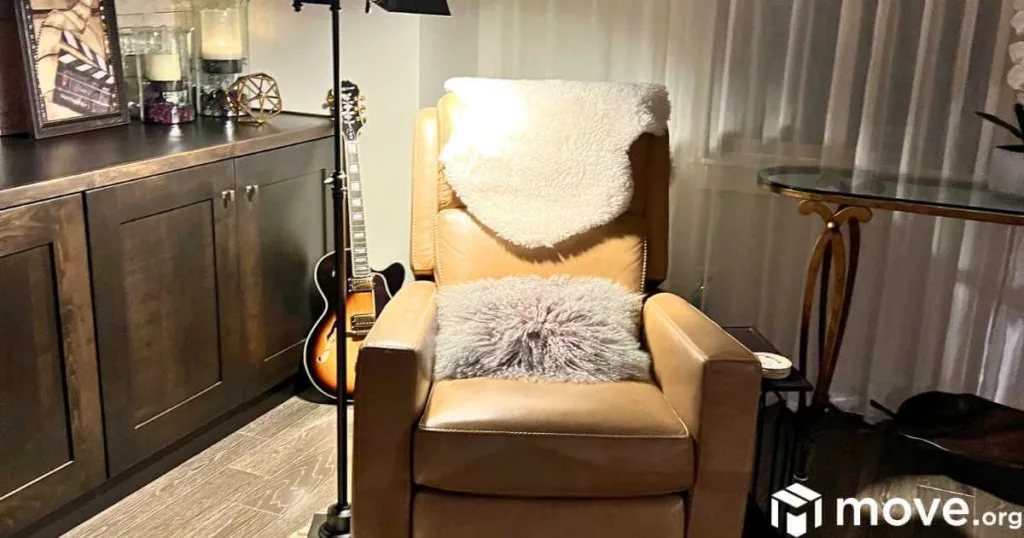
A leather recliner with a fleece throw and fluffy pillow, illuminated by a floorlamp, with a guitar in the background. A perfect cozy reading nook.

A reading nook isn't complicated — a comfy recliner, soft accessories, and nearby lighting are all you need. Image: Rebecca Edwards, Move.org

How do you create a reading nook?

Here’s where people start overthinking. You don’t need a TikTok-perfect setup or a full room makeover. You only need a few smart, intentional choices that make your space feel good to be in.

Choose an area

Before you buy anything, take a look around your home first. That little corner in your bedroom, the spot by the window, or even a small area in your living room can easily turn into the perfect nook. Some of the best reading nook ideas come from the simplest spaces.

Pick seating you actually want to sit in

This is one part you want to get right. Your seat should feel soft but still supportive, like something you can actually sink into without getting uncomfortable five minutes later. A plush chair, some floor cushions, or even a cozy corner of your chaise lounge can work. If it doesn’t make you want to sit down immediately, it’s not the one.

Fix your lighting (this one matters more than you think)

Overhead lighting might be practical, but it’s usually not what makes a space feel cozy. A reading nook should feel warm and inviting, not harsh or too bright. A small floor lamp, a table lamp, or even setting it up near a window for natural light can make such a big difference. It’s one of the easiest ways to completely change the feel of the space.

Add a few cozy details, not clutter

You don’t need a lot, but what you do include should feel intentional. Think a soft throw blanket, one or two pillows, a small side table, or a candle or stack of books. The goal isn’t to decorate every inch. It’s to create a space that feels comfortable the second you sit down. Too much stuff can quickly turn cozy into cluttered.

Make it ridiculously easy to use

The best small space design ideas are the ones you’ll actually use every day. If your nook feels like effort, you’ll skip it. Keep everything within reach, like your current book, a charger, or a drink. It should feel effortless to settle in, unwind, and stay awhile.


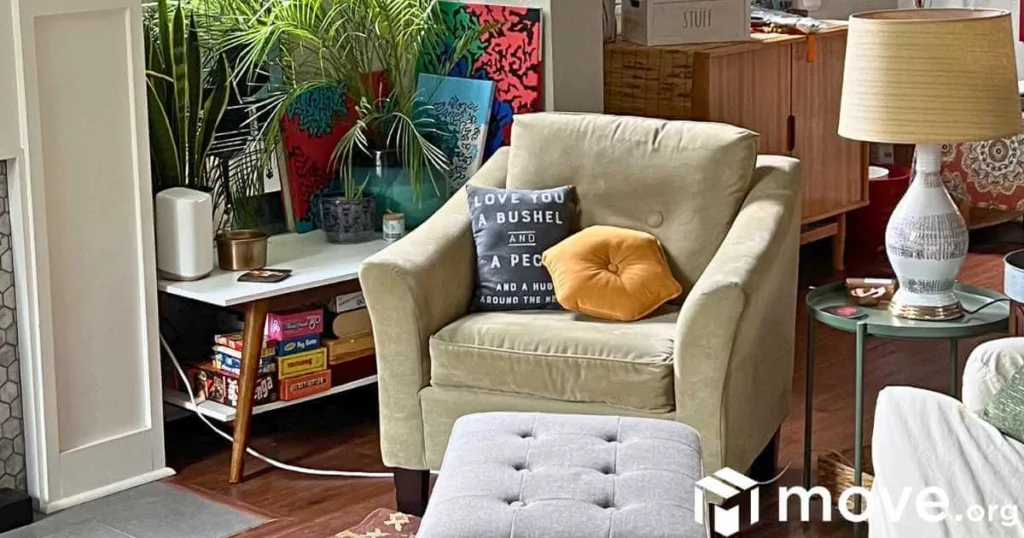
A cozy reading nook with a soft, green chair, pillows, nearby lamp, ottoman, and plants.

Cozy can be subjective, but soft fabrics, comfy furniture, pillows, lighting, plants, and art equal cozy for our managing editor. Image: Rebecca Edwards, Move.org

What makes a space cozy?

“Cozy” gets thrown around a lot, but it really comes down to a few simple elements:

  • Soft instead of rigid
  • Warm instead of bright
  • Quiet instead of overstimulating

Texture plays a big role in making a space feel cozy. Blankets, pillows, and rugs add that physical sense of comfort, while softer lighting helps your body relax, especially in the evening. And more than anything, cozy spaces tend to feel slightly enclosed — not cramped, just safe and protected.

That’s why corners work so well.

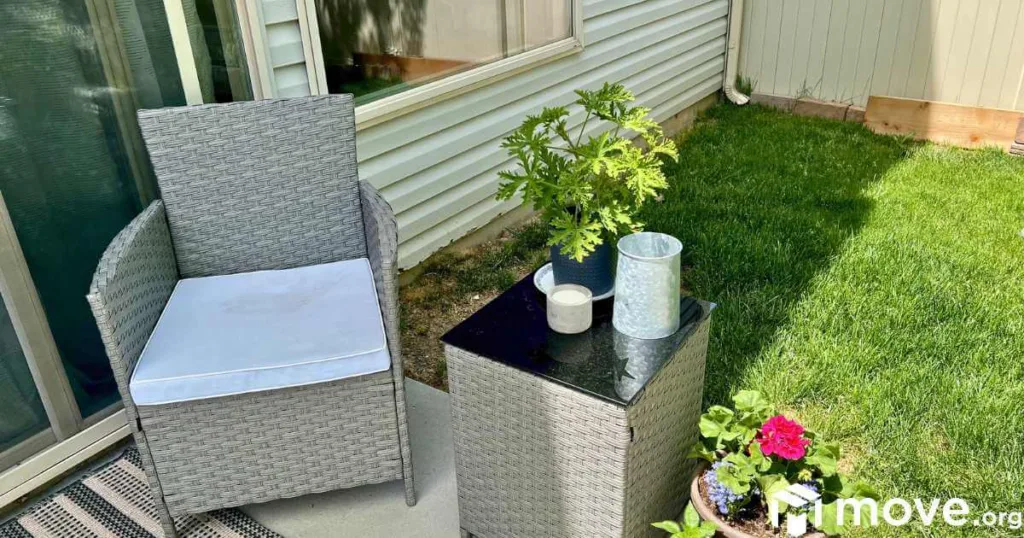
Outside patio furniture and plants make a cozy, outdoor reading nook.

Reading nooks aren't limited to the interior of your home. It's easy to create a comfy spot outside to enjoy sunshine, plants, and anything else that helps you feel at peace. Image: Rebecca Edwards, Move.org

Budget-friendly reading nook ideas

You don’t need to spend a lot to create something that feels good.

In fact, some of the best reading nook ideas are surprisingly simple.

Try this:

  • Move an existing chair instead of buying a new one
  • Use a blanket you already love
  • Swap harsh bulbs for warm-toned ones
  • Stack books as decor instead of buying accessories
  • Add a thrifted side table or basket

Even rearranging your furniture can create a completely new feel.

This is about intention, not expense.

A simple 5-step setup checklist

If you want to keep this easy, here’s your quick setup:

  1. Pick a quiet corner or a spot near a window.
  2. Add something comfy to sit on, like a chair, cushions, or part of your couch.
  3. Bring in soft lighting, such as a lamp or a warm light bulb.
  4. Add a few cozy touches, like a blanket, pillow, or small table.
  5. Keep the essentials nearby, like your book, charger, and a drink.

Done.

No overthinking required.

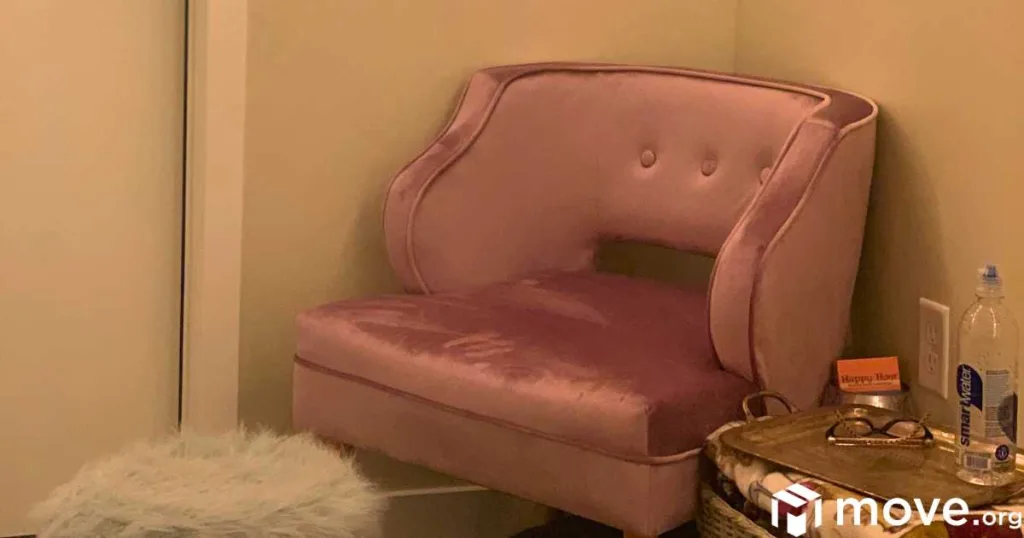
A velvet chair in a corner with a fluffy white ottoman and a side table - ready for reading and coziness.

Our managing editor put this corner together during the COVID-19 lockdown. Creating comfy spaces where we can kick back and just "be" helps turn a house into a home. Image: Rebecca Edwards, Move.org

The bigger picture: designing for how you want to feel

Moving gives you a rare chance to reset and decide how your home will feel, not just how it will look. And honestly, that matters more than people think. Creating a cozy reading nook may seem like a small thing, but it can completely change the energy of a space and make your home feel more comforting, calm, and lived in.

Sometimes the simplest spaces make the biggest difference, which feels fitting when you’re trying to make a move feel less overwhelming, too. If you’re still getting everything together, here is the ultimate list of moving supplies to make the process a little easier—because moving and settling in should be made simple for you.

Brittney Dulin-Rogers
Written by
Brittney Dulin-Rogers is a writer with a background in blogging, radio marketing, and FTL/LTL shipping. She’s spent years turning real-life experience into writing that’s practical, approachable, and easy to connect with. In her twenties, Brittney moved more times than she can count, all thanks to her free spirit and love of new beginnings. Most recently, she packed up for a cross-country move from South Carolina to Utah in 2021 — and then back home again in 2024. Now settled (for the moment), she writes about moving with the kind of insight that only comes from living it. When she’s not writing, she’s probably wandering through a HomeGoods aisle, watching a true crime documentary, or driving her kids to the next thing on the schedule.