- Essential Moving Supplies Checklist
- What Moving Supplies Do You Actually Need?
- Must-Have vs Optional Moving Supplies
- Packing Supplies List
- Furniture and Specialty Moving Supplies
- Where to Get Packing Materials
- Packing Tips Using These Moving Supplies
- Common Packing Mistakes to Avoid
- FAQs About Moving Supplies
Essential Moving Supplies Checklist
Here’s a simple moving supplies checklist to make sure you don’t forget anything important:
Boxes
- Small boxes (for heavy items like books)
- Medium boxes (for household items)
- Large boxes (for lightweight, bulky items)
- Specialty boxes (wardrobe boxes, dish packs)
Packing Materials
- Packing tape
- Bubble wrap
- Packing paper or newspaper
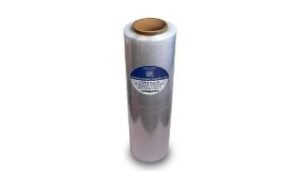
- Plastic wrap
Labeling Supplies
- Permanent markers
- Labels or stickers
Furniture Protection
- Moving blankets
- Furniture pads
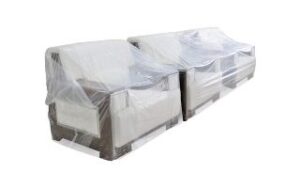
- Mattress bags
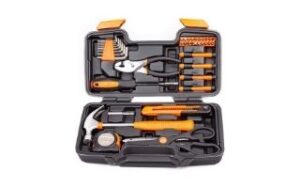
Tools & Equipment
- Box cutter or scissors
- Screwdriver set
- Allen wrench
Cleaning Supplies
- All-purpose cleaner
- Paper towels
- Trash bags
What Moving Supplies Do You Actually Need?
If you want to keep things simple, these are the only moving supplies you truly need:
- Boxes
- Packing tape
- Padding (bubble wrap or packing paper)
- Labels or markers
That’s enough to pack, protect your items, and stay organized during your move.
Must-Have vs Optional Moving Supplies
Not every moving supply is necessary. Here’s a quick breakdown so you can focus on what actually matters:
Must-Have Supplies
- Boxes
- Packing tape
- Bubble wrap or packing paper
- Labels or markers
Optional Supplies
- Furniture sliders
- Plastic stretch wrap
- Mattress bags
- Specialty boxes
If you’re on a budget, stick with the must-haves and only add extras if you really need them.
Having the right packing supplies can make or break your move. The right materials help protect your belongings, keep everything organized, and make unpacking way easier.
This packing supplies list covers the essentials you’ll need to pack efficiently without damaging your items.
Quick Tip: If you’re trying to save money, use things you already have at home like towels, blankets, and clothes as padding instead of buying extra packing materials.
What supplies do I need for packing?
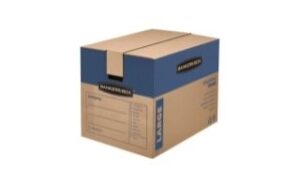
Boxes are pretty much the most important moving supply you’ll use. We recommend getting a variety of box sizes and types to make packing easier.
How to get free packing supplies?
You can also find free moving boxes in places like grocery stores, recycling centers, and office supply companies. You can even post a request for boxes on social media. Keep in mind that used boxes might not have the structural integrity of new boxes, so pack carefully if you go this route.
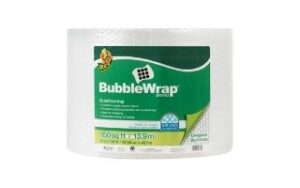
Of course, you don’t want to just throw everything in a box. Use packing paper sheets to protect fragile items like your dishes. Bubble wrap works well for wrapping up larger or oddly shaped breakables.
Newspaper also provides a frugal, if less effective, option. Just hold on to your newspaper for a few weeks, or even ask your neighbors for their papers after they’re done reading. Just remember that newspaper won’t have nearly the cushioning ability of proper packing supplies, so avoid using it for really delicate items.
What is the cheapest packing material?
The cheapest option is reusing what you already own (clothes, towels, paper). If you have to buy something, look for packing paper and secondhand boxes on local community pages to get the best value for the cost.
-
Household items: Towels, blankets, sheets, and clothes double as padding for fragile items.
-
Newspapers and junk mail: Great for wrapping dishes and filling empty spaces (though ink may smudge).
-
Cardboard scraps: Flattened boxes can be cut into dividers or extra protection.
-
Plastic grocery bags: Work as lightweight cushioning for odd-shaped items.
Label your boxes as you pack. Everyone has their own method: some people prefer the simplicity of writing on a box, while others prefer to develop a color code using colored stickers. For a highly visible and clear solution, consider using colored box labels. Whatever you use, be sure to label the boxes on multiple sides.
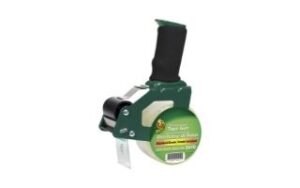
While you might be tempted to get the cheapest packing tape you find, we recommend spending a few dollars more on quality tape. Cheap tape is often too thin to use easily, and it doesn’t have great sticking power. Stick to brands you’ve heard of. Use a tape gun to dispense tape quickly, and buy your packing tape in bulk rolls to save on the overall cost. You might not think you need much tape, but you’ll use more than you’d expect. And this nifty tape edge finder will save your sanity as the packing goes on and on (I wish I'd had it for my last move!).
As you load your moving truck, use cargo straps or rope to keep your items from shifting around. Unsecured items can move and cause damage. Cargo straps let you secure your items to the side of the moving truck or to each other. Just make sure your straps are thick enough to secure heavy furniture without breaking.
Warning!
Never leave furniture unsecured—cargo straps prevent damage and keep your load safe.






 6 min read
 Reviewed By